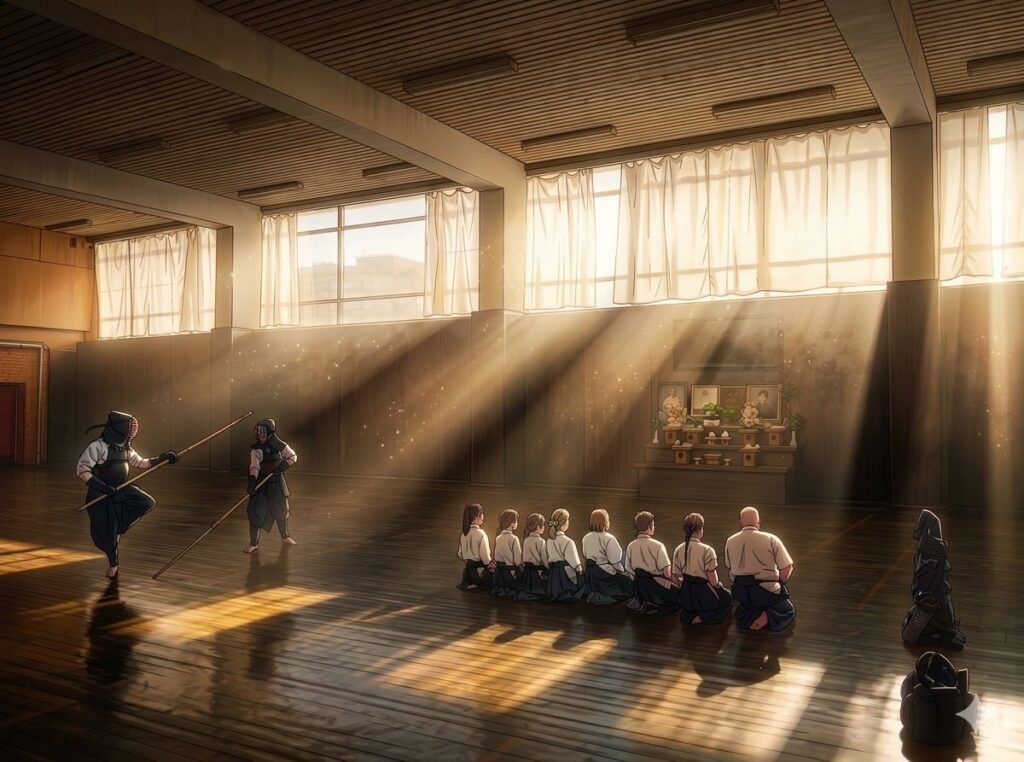

The Estonian Naginata Federation (abbreviation EENF) is a voluntary association operating in the public interest as a non-profit organization, the main activity of which is aimed at developing the Japanese martial art of naginata in Estonia.
The Atarashii Naginata in Tallinn began to develop in 2017.
In 2021, the EENF and the Tallinn Naginata Club “Amatsubame Kai” were established. Since 2022, the Estonian Naginata Federation is a member of the European Naginata Federation. Naginata athletes from Estonia participate in international seminars and competitions. EENF organizes naginata seminars in Tallinn with the participation of world-famous naginata sensei, and also conducts competitions and qualifying exams.
OUR DOJO LOCATION : Tallinn, Ed. Vilde tee, 71a
TRAININGS:
Every Sunday 15:30 – 17:00
Contact:
info@naginata.ee
Our symbol is the remarkable high-speed swift
Amatsubame 雨燕
Frequently Asked Questions
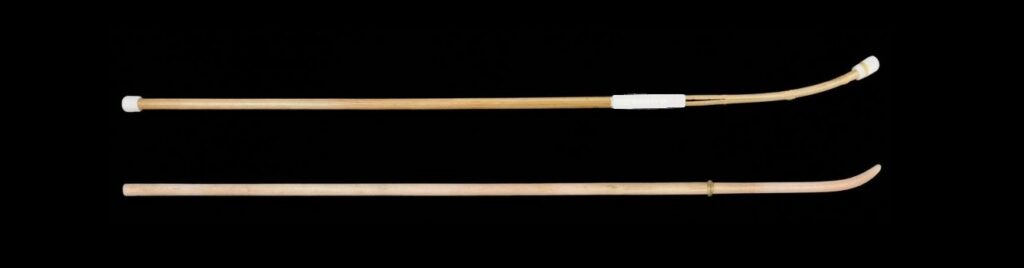
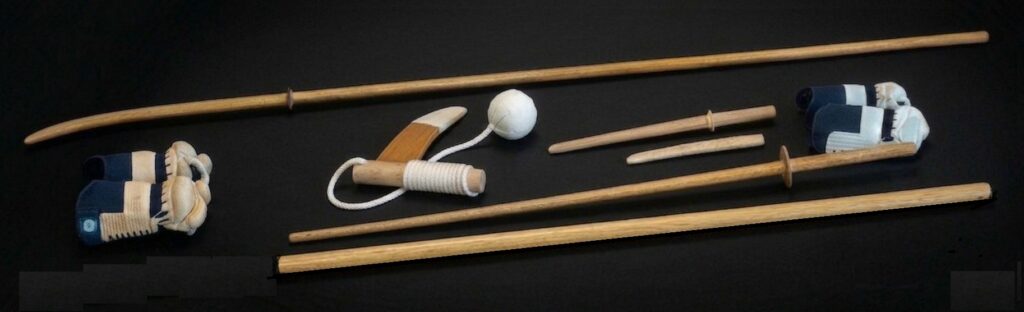
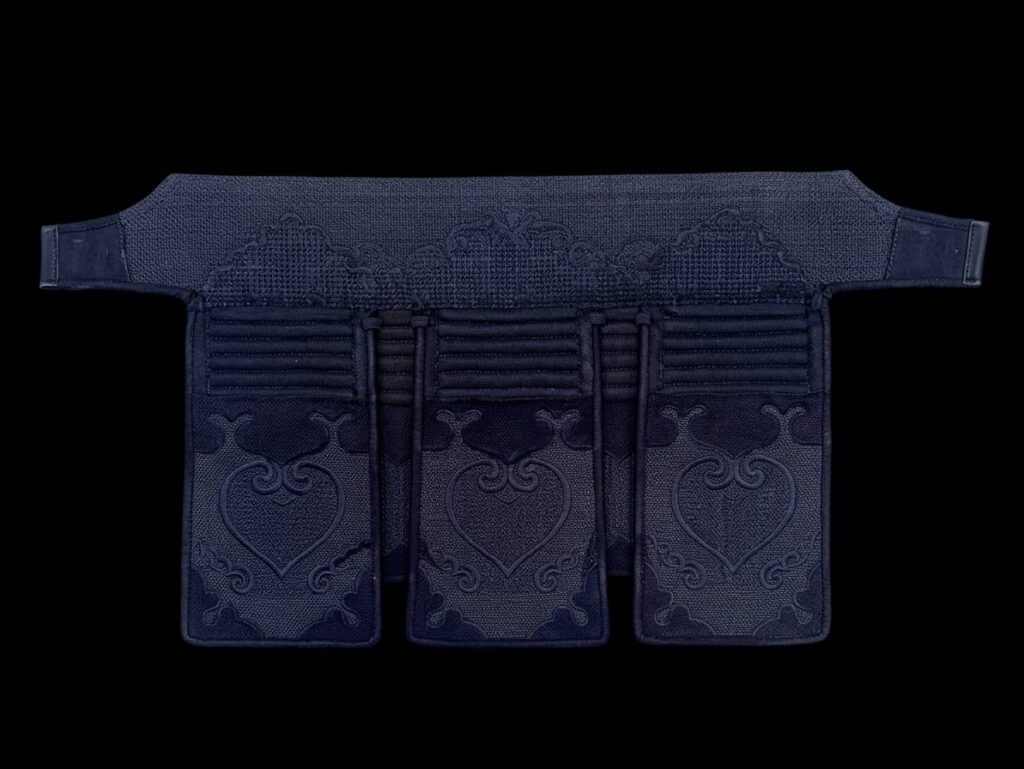
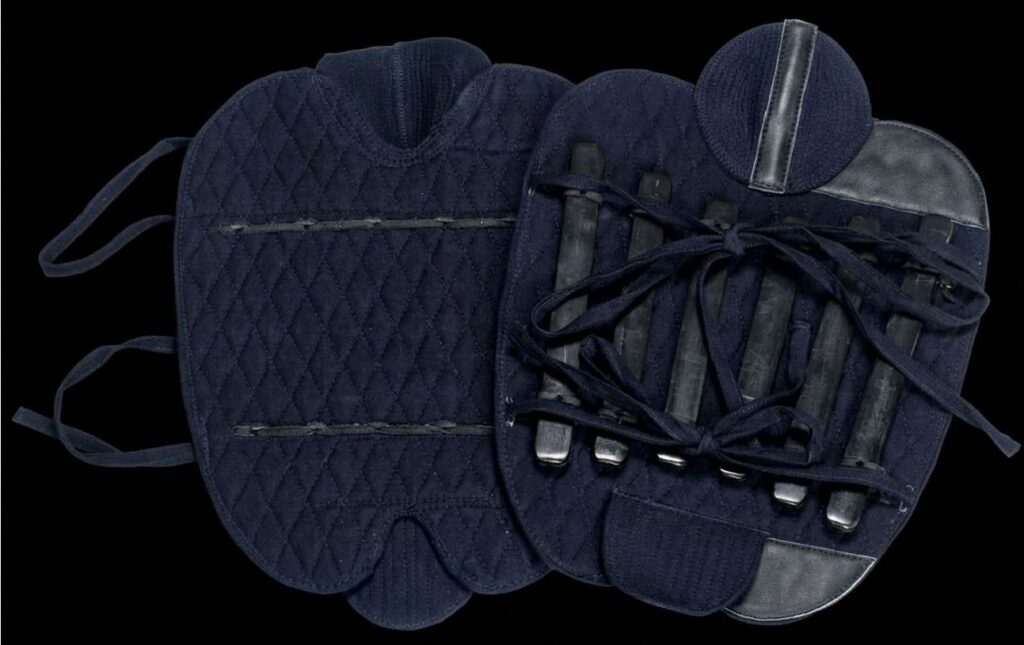
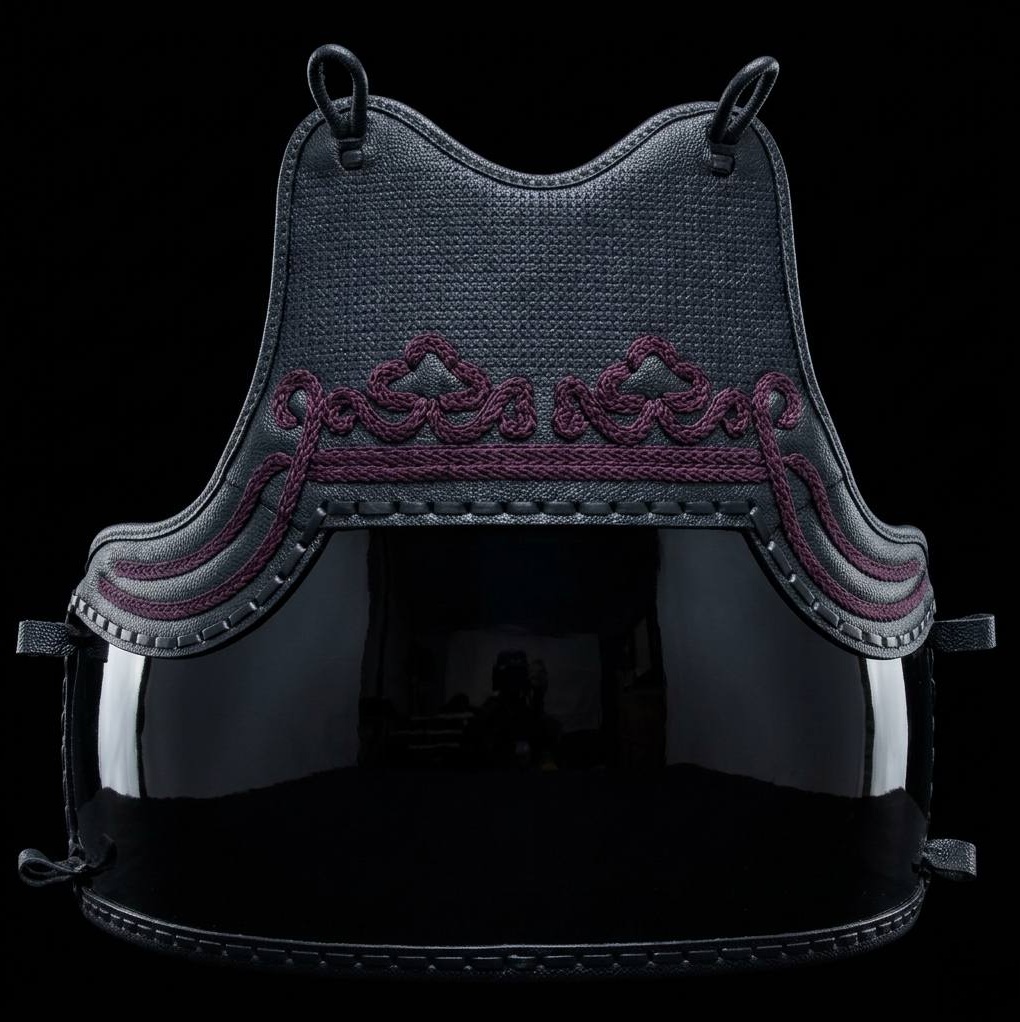
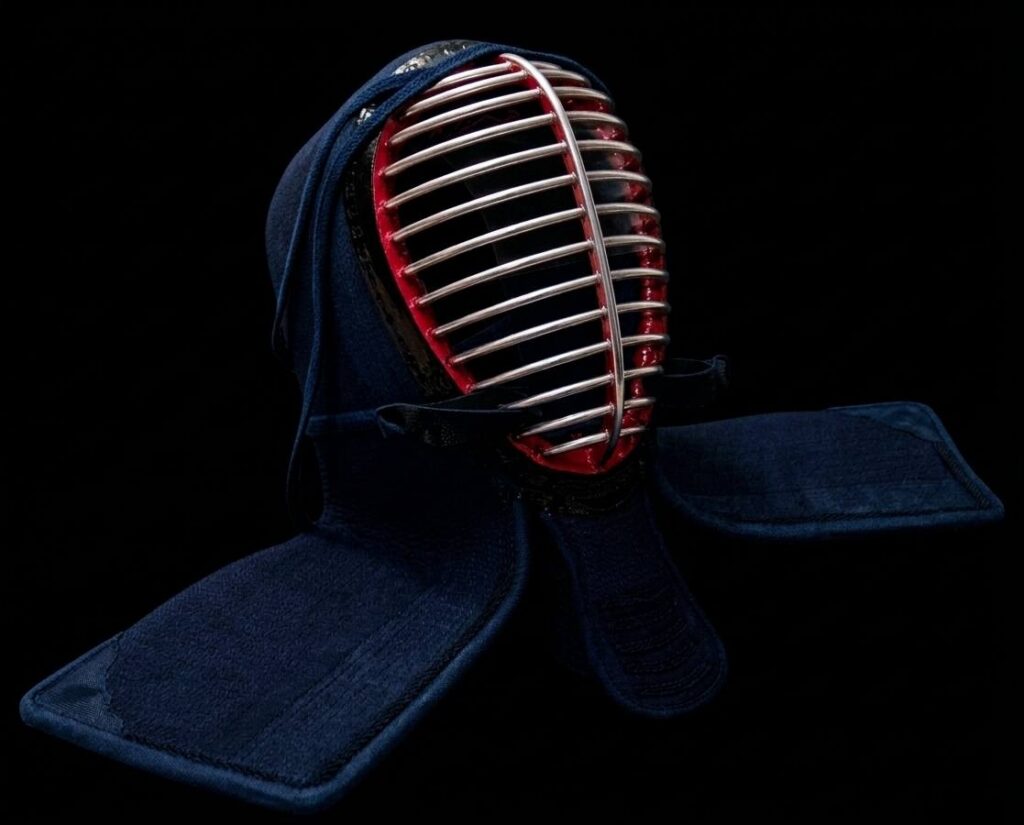
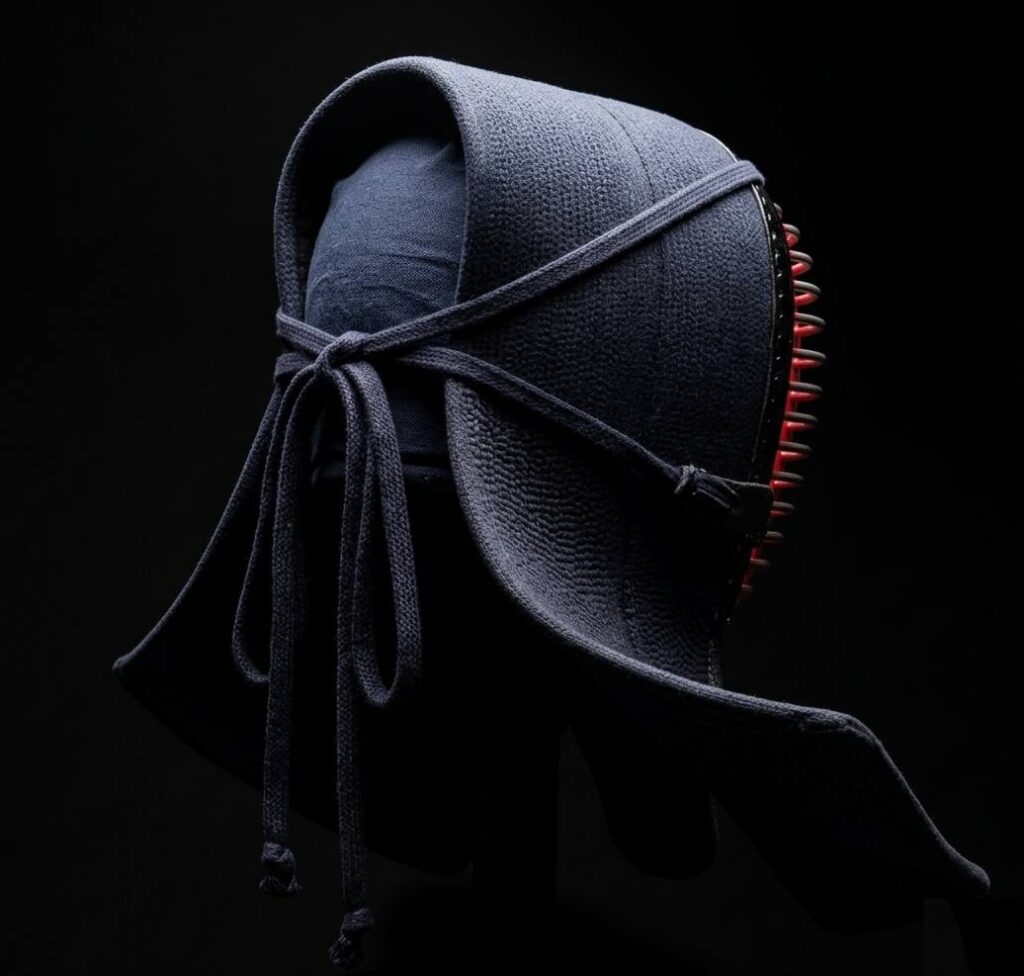
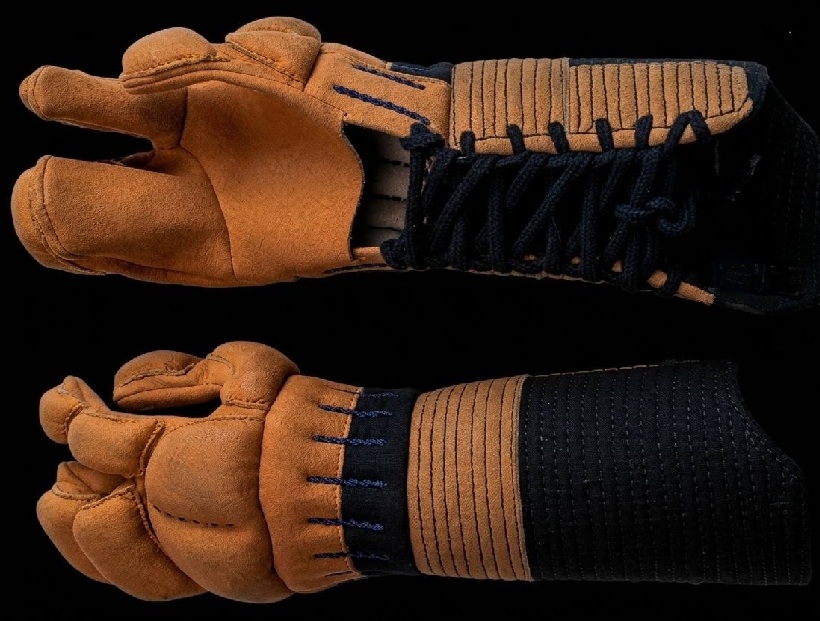
Absolutely. Safety is our foundation. In Atarashii Naginata, we use specialized protective gear called Bogu (armor) and a wooden shaft with a bamboo blade (Habu). This allows us to practice full-contact strikes with precision without the risk of injury.
No prior experience or extreme flexibility is required. Naginata movements are natural and ergonomic. We start with basic footwork (Ashisabaki) and posture, gradually building your coordination and strength.
Naginata is a lifelong art. In Japan, it is practiced by everyone from schoolchildren to masters in their 80s. As long as you can move comfortably, you are welcome to join our practice.
No. Unlike some other combat arts, Naginata focuses on “effective strike” (Yuko-datotsu) rather than brute force. While the training is a good workout, it is not designed to be painful. The focus is on timing and the “Spirit-Sword-Body” unity.
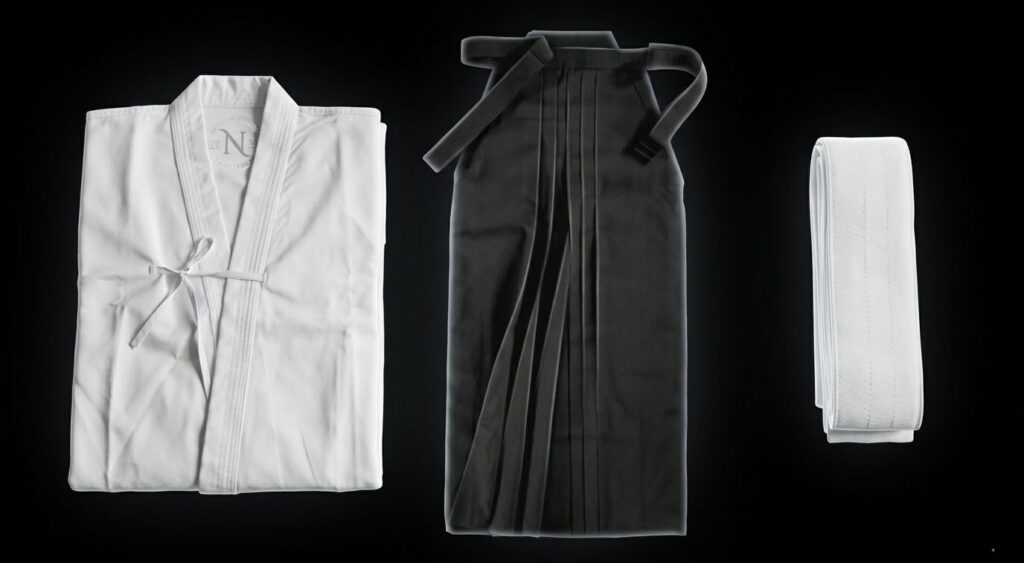
You can train in a T-shirt and long sweatpants. Beginners typically train in sportswear for about a year. Then, you can acquire the traditional uniform: keikogi and hakama. We’ll be happy to explain how. There are many online stores that sell clothing and equipment for budo training, and there are also some shops in Tallinn.
Practicing barefoot is a core tradition in Japanese martial arts, but it also has a functional purpose. It allows for a better grip on the wooden floor, providing the stability and balance needed for swift footwork. Moreover, walking barefoot helps develop a direct connection with your center of gravity and improves your overall posture. In our dojo, we ensure the floor is clean and safe for all practitioners.
You will feel the balance and rhythm of the sword after the very first lesson. However, Naginata is a “way”, not a destination. Mastery takes years, but every step of the journey is rewarding.
In Naginata, we follow a traditional grading system to track your progress and mastery: Kyu Levels (Beginner to Intermediate): There are 6 Kyu levels, starting from 6th Kyu (beginner) and progressing down to 1st Kyu (highest student rank). Dan Levels (Advanced): After 1st Kyu, practitioners can test for Dan ranks. There are 5 Dan levels in modern Naginata, representing different stages of technical and spiritual mastery. Unlike some other martial arts, there are no colored belts in Naginata. Your rank is a reflection of your internal growth and technical skill, recognized by the Federation.
Yes, absolutely. While sparring in armor (Bogu) is a part of Atarashii Naginata, it is by no means the only path. We offer a rich variety of practices that focus on form, precision, and internal discipline: Kata & Kihon: Many practitioners focus entirely on the beauty and technical perfection of forms without ever entering a competitive match. Tendo-ryu (Classical School): For those seeking a deeper connection to the roots of the sword, our Tendo-ryu sessions are ideal. This classical school focuses on traditional forms and ancient techniques rather than sports competition.
Unlike modern martial arts, the classical school of Tendo-ryu does not follow a standard exam or belt system. Progress is recognized through mastery of the school’s curriculum. This allows students to focus entirely on their personal development and the art itself, free from the pressure of grades or certificates.
Our dojo is a multicultural environment where we speak Estonian, English and Russian. However, regardless of the conversational language, all technical terminology and commands in Naginata are strictly in Japanese. This universal language of the sword allows our students to feel at home in any dojo around the world and ensures that the authentic spirit of the tradition is preserved.
No, there is no rush. Our dojo provides club Naginatas for all beginners. You can use our equipment until you feel confident and ready to invest in your own practice weapon. We will help you choose the right one when the time comes.
We offer flexible payment options for our students. In addition to standard bank transfers, we are officially registered on the Stebby platform. This allows you to use your employer’s health and sports compensation to cover your training fees, making your path in Naginata even more accessible.