
The Soul of the Blade: History and Evolution
The Ancient Origins
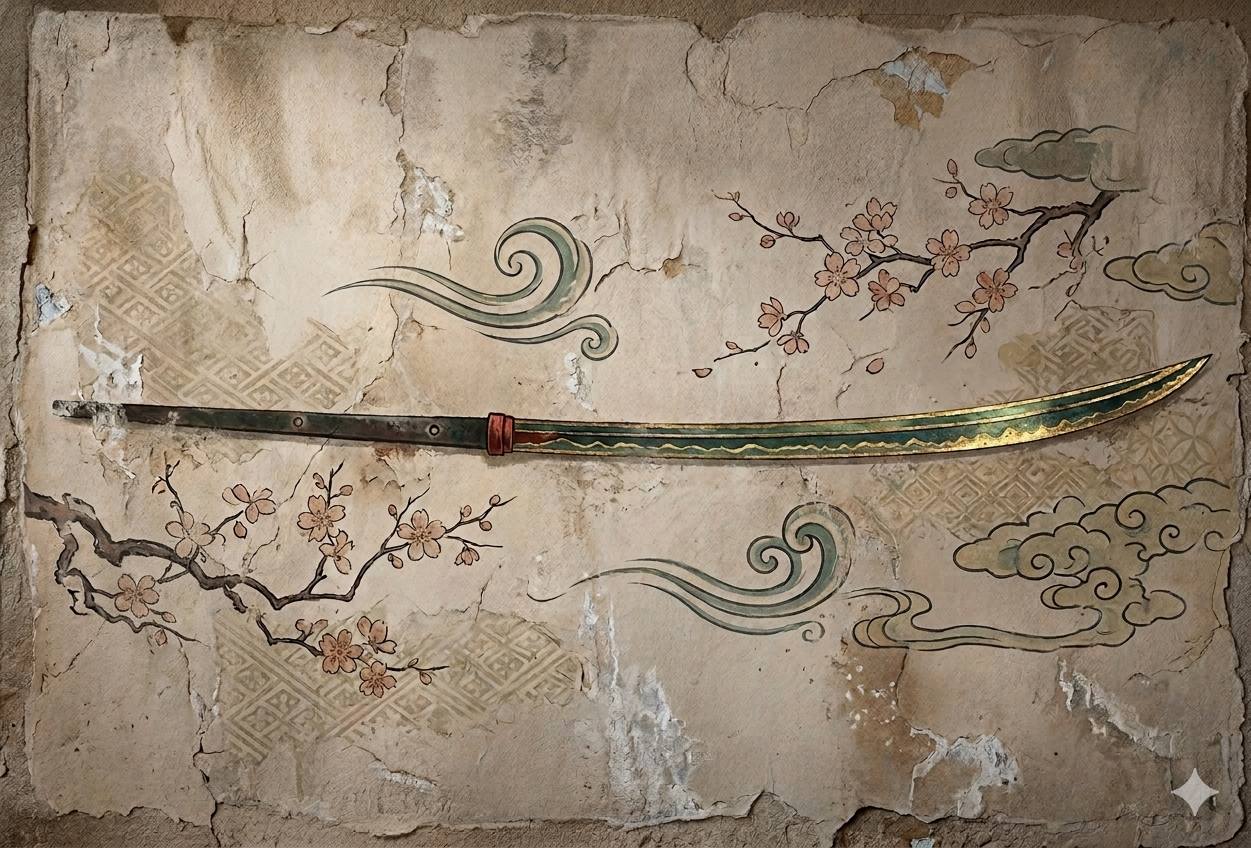
The Naginata is a traditional Japanese sword that first rose to prominence during the Heian Period (794–1185). This special sword is characterized by its very long wooden hilt and a curved, razor-sharp steel blade. Originally, extended reach of the naginata made it a preferred weapon for the cavalry, allowing mounted warriors to strike with devastating precision.
The Legacy of the Rider
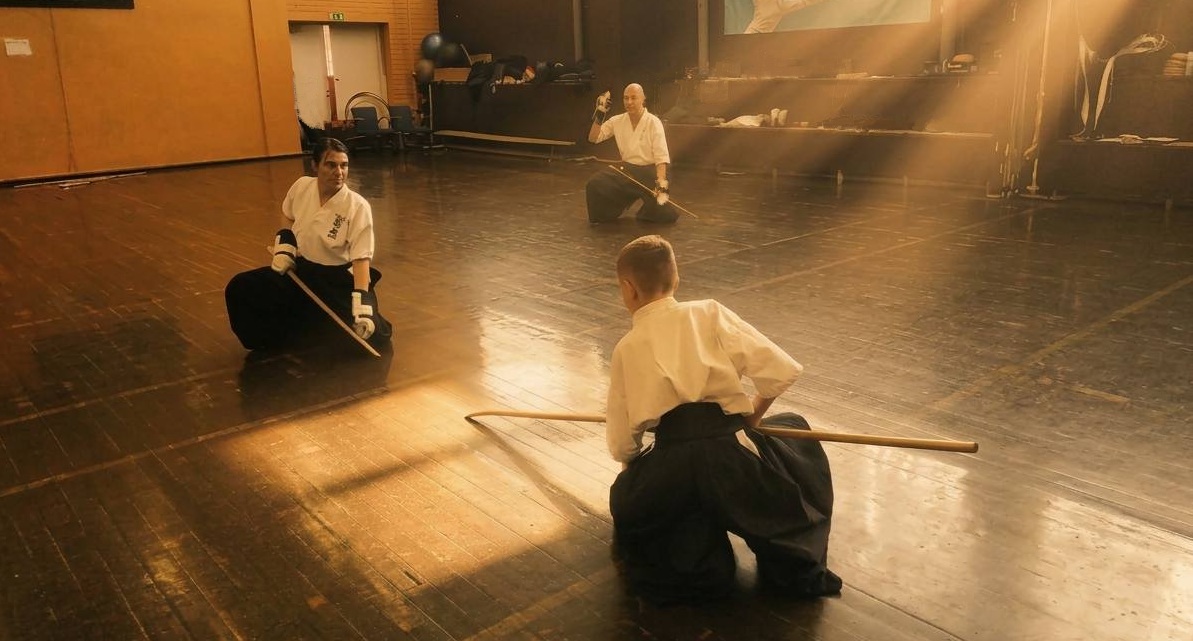
The influence of the cavalry remains visible even today in our traditional training attire. The Hakama we wear — wide, pleated trousers — were specifically designed for riding horses. Even the complex way we tie the Himo (belts) of the Hakama is a technique inherited from the samurai; it was meant to ensure the trousers stayed perfectly in place during the intense movement of high-speed riding. Every time we dress for practice, we honor the functional heritage of the ancient Japanese horsemen.
A Masterpiece of Balance and Versatility
It soon became clear that the Naginata was a remarkably universal weapon. Perfectly counterbalanced, it allowed a single warrior to control dozens of square meters on the battlefield. Its design allows for rotations, sweeping strikes, and even throwing. If the naginata was damaged in battle, parts of the broken naginata could serve as independent weapons or could still be used as effective tools for self-defense.
The Warriors of the Long Sword
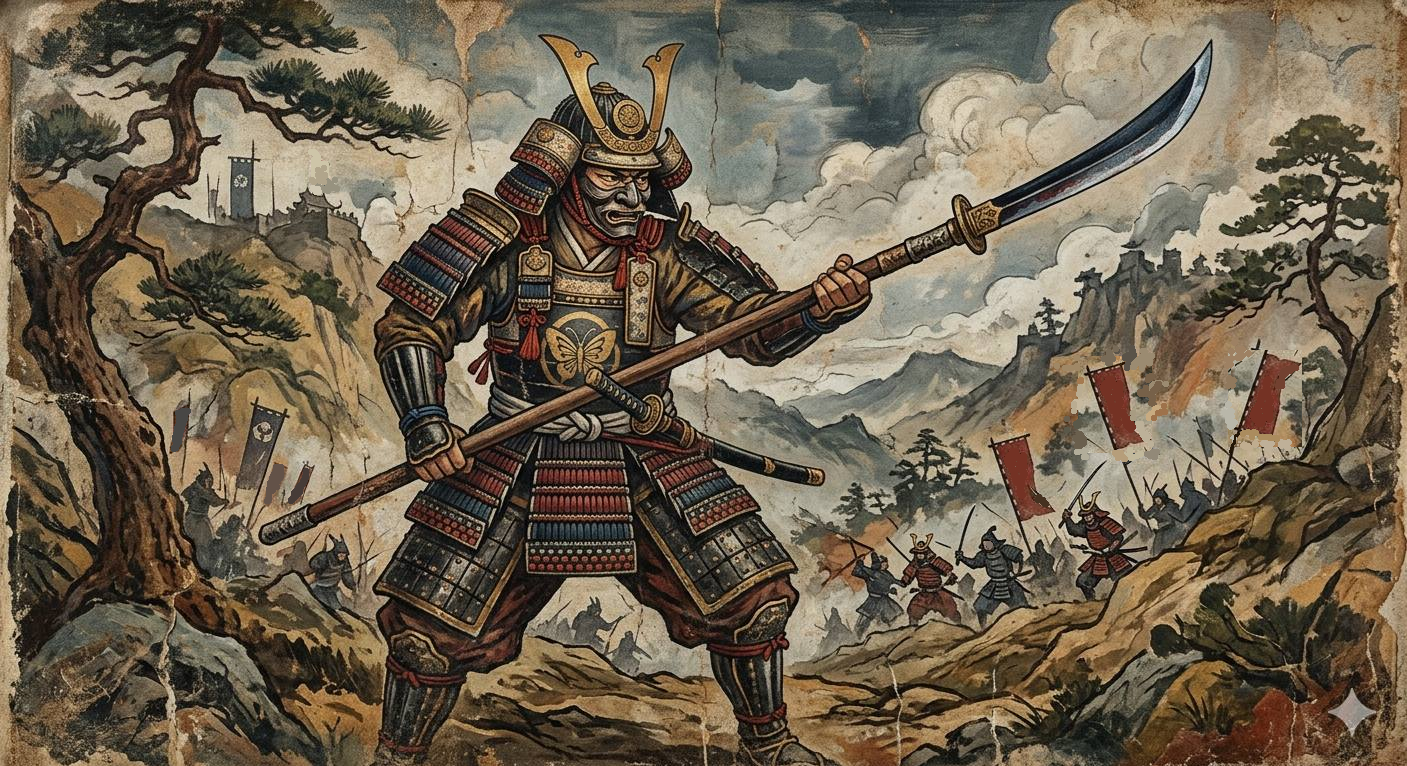
The mastery of the Naginata was not limited to one class. It was the chosen weapon for a diverse array of figures in Japanese history:
– The elite Samurai
– The formidable Sohei (warrior monks) and the ascetic Yamabushi (mountain hermits).
– The Ashigaru (infantrymen) and even the elusive Shinobi.
From Battlefield to Spirit
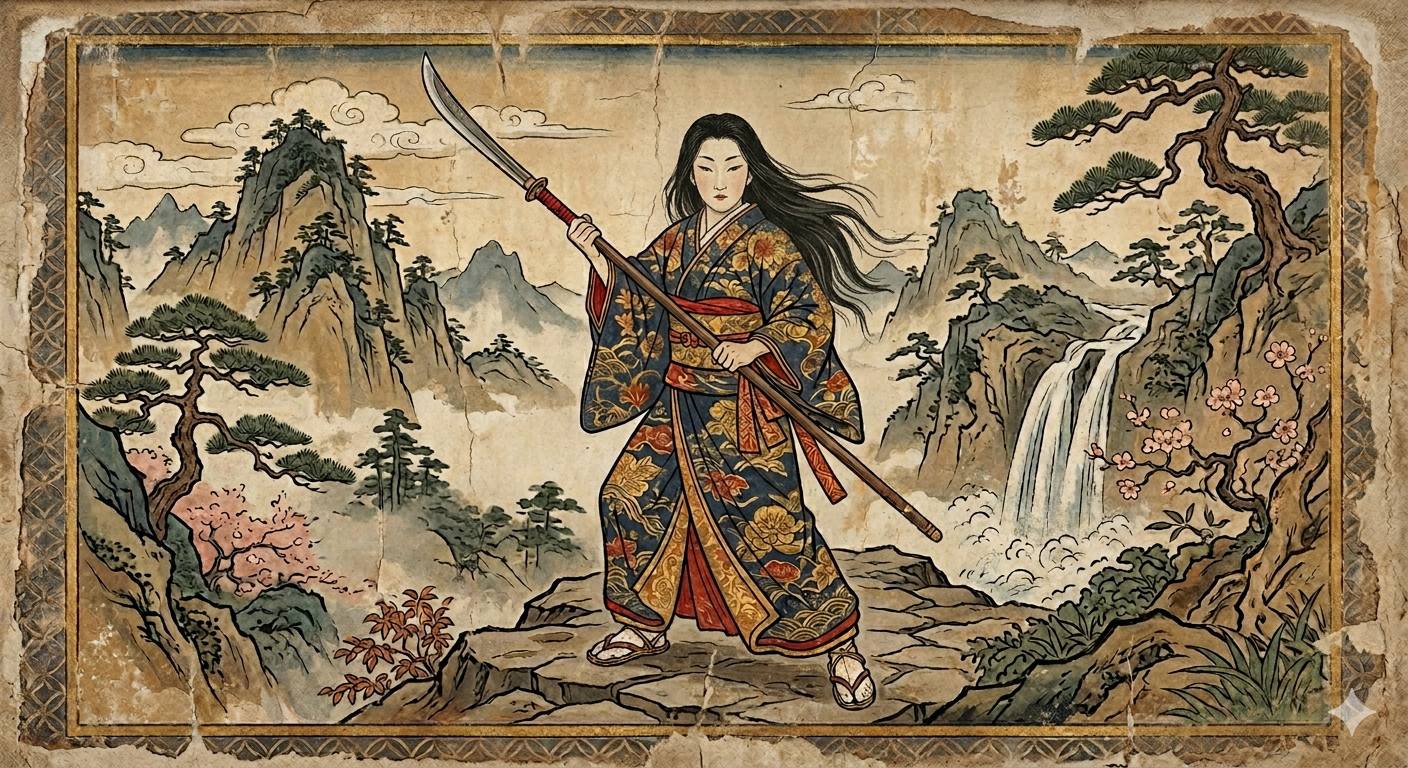
As the nature of warfare changed, the Naginata transitioned from a weapon of war to a symbol of status and protection. It became the signature defense of women in samurai families (Onna-musha), who mastered the art to protect their homes and honor. Over centuries of peace, the focus shifted from taking life to cultivating the self, transforming the “technical use of the sword” into a “way of the spirit.”
Atarashii Naginata: The Modern Path
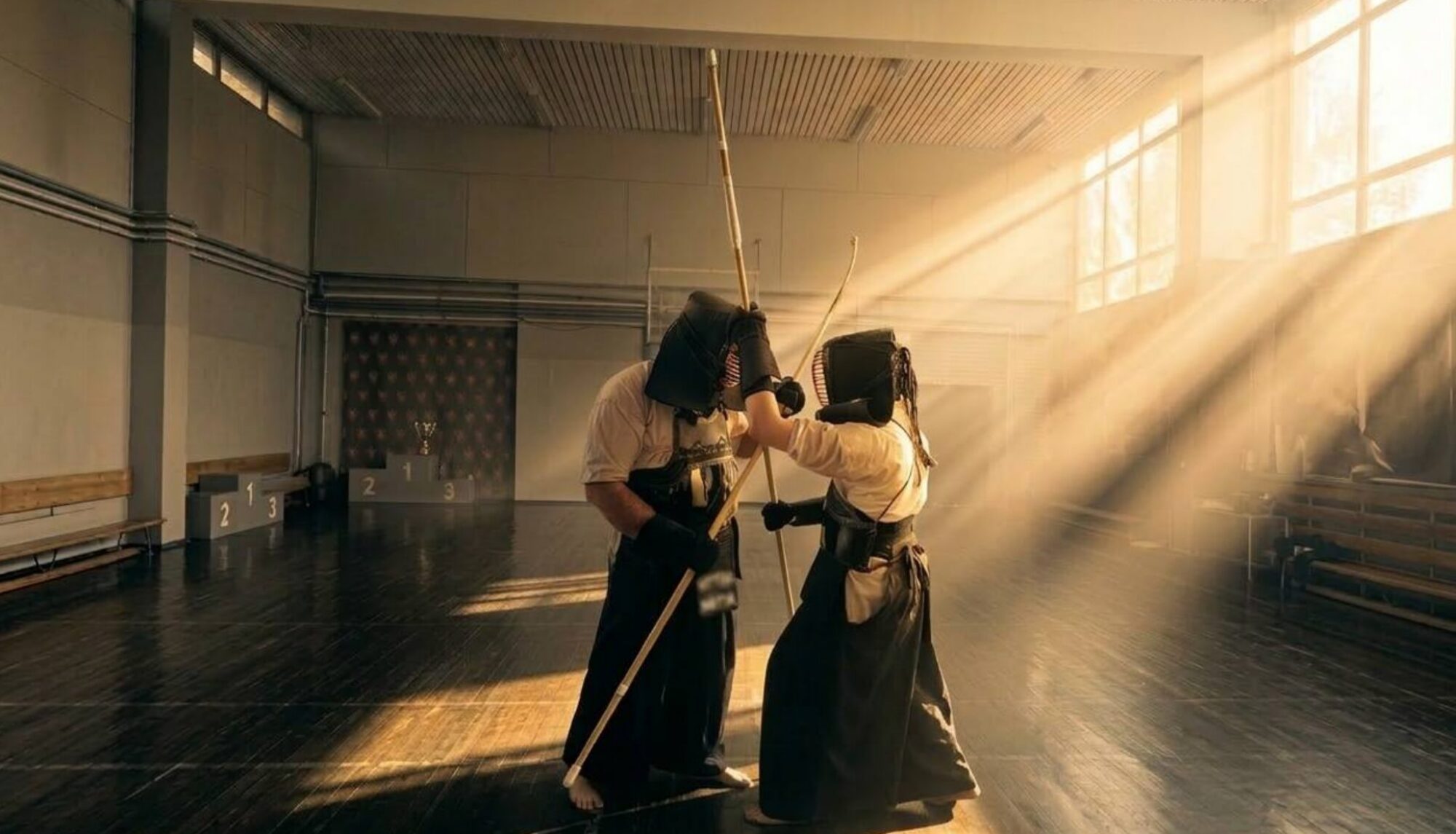
Today, this legacy continues through Atarashii Naginata (Modern Naginata). Established after World War II, this discipline integrates the ancient fencing techniques with modern athletic principles. While the battlefield is gone, the essence of the sword remains: every movement in Atarashii Naginata is focus, harmony between body and mind and a search for perfect timing.